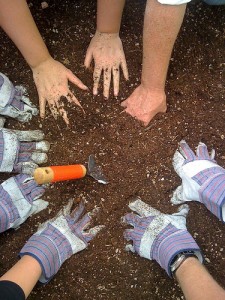
Volunteers are the Backbone of Nonprofit Organizations

Guest post by Jason Miner

Volunteers are the backbones that support nonprofit organizations.With National Volunteer Week approaching, and events in Boston and Texas reminding us of the importance of community, it’s become even clearer that volunteers really are the backbone of nonprofit organizations.

Volunteers help with fundraising, administrative tasks and operations, and they help spread the word about the mission of the organization. And although volunteers tend to perform such duties out of the care and concern they have for the goals set forth by the organization, there are a few key strategies that can be used to make these all-important volunteers feel recognized and appreciated:

1. Organizational Recognition - The simple things are sometimes the most respected and this holds true for recognizing outstanding volunteers within an organization. This can be as simple as printing off a volunteer of the week award and hanging it on a wall and doing so each and every week, or being a little more formal and making a presentation in front of others.

The point is that when you take the time to publicly recognize the efforts of those volunteers who go above and beyond, they will feel proud of their own accomplishments and thus work harder for your group’s goals.

2. A Little Fun Goes a Long Way - The work that volunteers do for your organization can sometimes be cumbersome, labor intensive and mentally draining. This is a great reason to set aside some fun time every week or month to show appreciation. A night out for dinner, a day of bowling, a round of golf or even a cookout in the parking lot can all be ways to show everyone that their hard work truly does matter and makes a difference.

3. Organizational Attire - Got some swag? Give your volunteers shirts, hats, jackets and other items that are normally reserved for donors. Make sure everyone has at least one item they can proudly wear to show that they are happy to be a volunteer. The volunteer gets to show their pride in their work, and your organization gets a little extra visibility in the process.

Remember: Even the smallest gesture is one that can make a volunteer feel good about themselves and their work.

Jason Miner plays a vital role for www.blogcarnival.com. He is an expert in writing topics of different categories. He is helping the carnival team to grow & working on making this an even better place for bloggers.

More Than Just “Thank Yous”: Volunteer Recognition Strategies from an All-Volunteer Organization

The importance of volunteer recognition is something we can’t stress enough. Sure we all know that appreciation is important, but while talking with the executive team at Do Good Lab for our April Volunteer Spotlight article, I realized that recognition isn’t just about saying thank you to your volunteers. This organization focuses on proving their appreciation to volunteers instead of simply saying the words, and I think this is something all of us can learn from.

So what else can be included in volunteer recognition, aside from appreciation? Our friends at Do Good Lab—a 100% volunteer international development organization based in the San Francisco Bay Area—have some great insights on how they keep their volunteer team involved and motivated through continued support and recognition. In my conversation with this group of management-level volunteers, they each share their advice on what’s involved in volunteer recognition beyond the simple “thank you.”

1. Make volunteering worth it: Recognize this isn’t their first priority (and make your cause worth their time).

Executive Director Aezed Raza emphasizes how Do Good Lab needs to be even more appreciative of its volunteers than most organizations; after all, everyone there—including Aezed—is volunteering his or her time. People could do much easier work to pad their resumes than volunteering, he points out. Instead, they’ve chosen to give their time and energy to help your organization. So, he explains, organizations need to make sure volunteering is worth their volunteers’ time.

Do Good Lab recognizes that people volunteer because they are passionate and care about their cause. As a result, Aezed says, “we make this something bigger.” The organization makes a big effort to show “outward appreciation” through regular team meet-ups, parties and annual events. This creates momentum and makes volunteering fun, engaging and rewarding.

2. Get them involved: Support their efforts and welcome their contributions.

People volunteer because they want to make a difference. For Project Director Shannon Radsky, Do Good Lab was a way to not only do something good, but to become part of a passionate and engaging cause community. She’d been involved in various volunteer projects and causes before, but the community feel of Do Good Lab is why she chose to volunteer with the organization initially, and it’s why she’s still there years later.

Do Good Lab works around a community structure, where everyone can pitch in and contribute as much as they can or want. They hold monthly Community Meetings, where all volunteers and first-time guests are welcomed and encouraged to present their thoughts, ask questions and give feedback. There are also tons of ways for volunteers to get involved, including proposing new development projects, conducting research, writing blog articles and helping with events. “We all feel like part of something,” Shannon explains; and there is always room for everyone’s contributions.

3. Build a solid support network: Friends take care of each other, inside and outside of the workplace.

Do Good Lab relies on every minute that its volunteer staff can contribute. Because of this, the organization has learned to work around their volunteers’ day jobs. They have developed an extensive team structure, creating different levels of accountability so that the team will be responsible for a project and no one will feel overwhelmed, because work can always be shifted if necessary.

This network of support has also helped to build a closer community within the organization. Not only do these teams motivate team members and hold everyone accountable, Molly explains, but they have also helped volunteers build close friendships outside Do Good Lab. “We happen to enjoy each others’ company,” she says, and volunteering with friends can definitely make things more enjoyable.

What are some other ways that your organization can or does show its volunteers how much they are appreciated? How would you use these tips from Do Good Lab to make volunteering more fun, to engage your volunteers in your cause and to build a solid support network? We hope you find this helpful, and we’d love to hear your feedback!

Stephanie Rosenburg is a Communications & Social Media Intern at VolunteerMatch. You can reach her at srosenburg@volunteermatch.org and follow her at @smrosenburg.

Honoring Seniors Who Serve Others

Guest post by Jeff Huber, President, Home Instead, Inc.

Foster Grandparent Nancy reads to girls at school

Foster Grandparent Nancy reads to girls at school

More than one in four adults ages 55 and older volunteers each year, according to the Corporation for National and Community Service. This statistic may surprise those who associate older age with a less active lifestyle. But in reality, millions of seniors selflessly give their time, skills and knowledge to benefit their communities, including through organizations like your nonprofit.

Now there’s a meaningful way to thank and honor Americans 65 and older who have positively impacted your organization: By entering him or her in the Salute to Senior Service® contest.

Salute to Senior Service is an annual program sponsored by Home Instead, Inc., franchisor of the Home Instead Senior Care® franchise network, that recognizes the many ways seniors positively impact communities through their volunteer work. Now through March 31, you can nominate someone who has made a difference and inspired others by dedicating their time and talents to your nonprofit and the people you serve.

Salute to Senior Service nominees not only receive public recognition and appreciation for their dedicated community service, but are also eligible for a chance to win up to $5,500 that will be donated to their favorite volunteer organization.

Click here to learn more about the program and eligibility , and to enter an outstanding senior today!

Jeff Huber is the President of Home Instead, Inc., franchisor of the Home Instead Senior Care network of global franchise offices that provide in-home non-medical care services for seniors. In this role, Jeff oversees the franchisor’s daily operational functions, including marketing, business performance, franchise standards, franchise development, global business and training—all of which help support the franchise network. He also provides strategic leadership on key Home Instead initiatives, including CAREGiver SM Leadership.

Why I’m Impressed by a Desk Calendar

Volunteer Recognition inspiration from a blood center desk calendarYou might disagree with me, but I think that giving blood is a form of volunteering. I take some time, give of a valuable resource that I possess, and save someone’s life. It’s amazing, and I feel proud and lucky to be able to do it.

Without fail the Blood Centers of the Pacific chapter here in San Francisco calls me up every month to schedule an appointment (I actually give blood platelets, which are in higher demand, don’t last as long, and can be given more often than normal blood donations.) While no one could fault them for their recruitment or retention methods, it’s their volunteer appreciation that really has me impressed.

Last month I received an unexpected package in the mail in the form of a desk calendar from Blood Centers of the Pacific. It was a thank you for being a blood donor, and in my mind this quirky gift embodies several of the best practices when it comes to volunteer appreciation. Read more below:

No Ask – Just a Thank You

The calendar didn’t come with a “You can renew your support” or “Don’t forget to schedule an appointment.” This gift was only about making me feel appreciated. Taking dedicated time just to thank your volunteers will show them that what they have already contributed matters – and you’re not always looking to get more from them.

Useful Swag, Not Silly Fluff

Unlike many other thank you gifts (trophies come to mind), I could actually use a desk calendar. And as it becomes a daily part of my life, so will the Blood Center – each time I look at it.

Personalize, Personalize, and Personalize Again

A personalized thank you pageMy desk calendar had my name inserted in various clever ways, such as on a child’s drawing, and as part of a page signed by patients. Another brilliant personalization was marking off on the 2013 calendar each day that I gave blood in 2012. A reminder of the time I spent with them previously, and a subtle suggestion for how I could continue. This illustrated the strong relationship I have with the organization.

Because of these elements, the desk calendar from Blood Centers of the Pacific made me feel special, very appreciated, and proud to be associated with them.

Which reminds me, I need to make another appointment to give blood.

What is your organization doing to make your volunteers feel special?

Creative Ways to Say “Thanks” That Will Increase Volunteer Engagement

Guest post by Sarah Clare

Saying thanks can lead to more engagement

Saying “thanks” in creative ways can lead to more engagement.

Finding ways to show your appreciation for your volunteers will help foster good relationships, build loyalty, and encourage them to recruit other volunteers through word-of-mouth about their good experience.

Here are three ways that you can give back to your volunteers to show your appreciation and offer incentive for continued volunteering besides gifts or payment:

College Credit

Many nonprofits offer their volunteers college credit in exchange for a certain number of hours. This requires working with the college or university where they attend to provide the proper documentation. The student may also be required to write a paper or submit another project for the “term.”

The amount of college credit given will vary by college – anywhere from 1 to 4 hours is standard. Talk to representatives at schools in your area to find out what you need to do to offer this incentive.

Reference Letter

Students and other volunteers often sign up for service as a way to gain experience or to pad their resume. Why not help your volunteers by offering to write a reference letter for future employers or applications for programs of study or internships? It’s an easy way to let your volunteers know that you appreciate a job well done, and by letting others know about the good work they have done, you are helping them advance.

It won’t take you long to write a reference letter, and anything you say should be a genuine assessment of your volunteer’s work.

Networking Opportunities

Social gatherings are a nice way to show your appreciation for your volunteers, and they also provide good opportunities for them to network with others in the nonprofit industry. These gatherings can help your volunteers make connections that lead to job opportunities and advancement. Again, it’s a simple way for you to help your volunteers and to show your appreciation.

Finding ways to offer your volunteers these incentives not only shows your appreciation for them, but it encourages others to volunteer with your nonprofit by showing them how much you value your volunteers and want to find ways to give back.

What kinds of incentives does your nonprofit offer volunteers? Share them in the comments!

Sarah Clare is a writer and oversees the site projectmanagementsoftware.com, where she has recently been researching project management freeware. In her spare time, Sarah enjoys cooking and scrapbooking.